
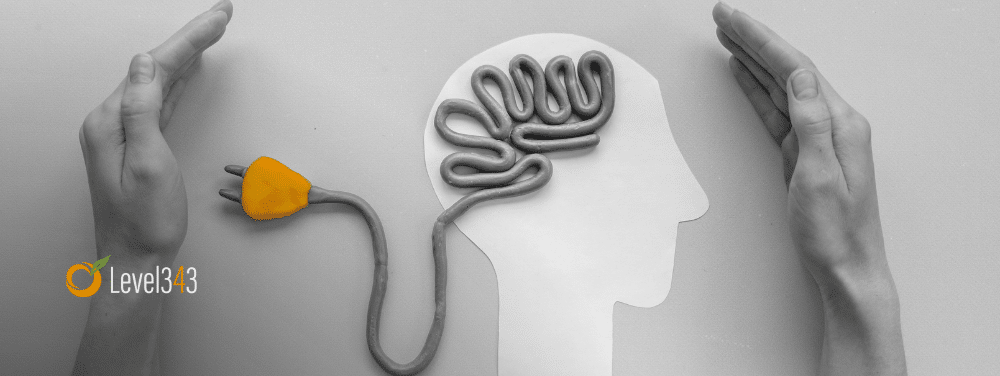
The psychology of content is one of the most interesting and fascinating topics that any writer or marketer could explore. The reason being is because when it comes to content, there’s more to it than just putting together a well-written piece. The words you choose and how you put them together can have a significant impact on your readers – whether they realize it or not. In this post, we’ll take a look at some of the key aspects of the psychology of content, and see how we can use them to create a stronger connection with our readers.
One of the most important things to understand about the psychology of content is click behavior. This refers to the fact that people often make decisions based on what they see – even if they’re not consciously aware of it. For example, if you’re looking for a new pair of shoes, you might click on an ad that shows a picture of a pair you like. The same goes for content – if your readers see something that interests them, they’re more likely to click through and read it.
The Psychology of Content
Click behavior, click triggers, logical impulses, and common sense all play crucial roles in the psychology of content. It’s fascinating how deeply these elements influence user interactions and decision-making. Understanding this psychology reveals just how much strategy and insight are needed to effectively engage and convert your audience.
Strategic Engagement
From crafting compelling headlines to strategically placing calls-to-action, every detail is designed to guide the user’s journey. By tapping into these psychological triggers, you can create content that not only attracts clicks but also builds trust and encourages loyalty. The more you understand the underlying motivations and behaviors of your audience, the better equipped you’ll be to create impactful content that drives meaningful results.
Of course, simply getting people to click on your content isn’t enough. You also need to keep them engaged once they’re there. This is where click triggers come in. Click triggers are elements that encourage people to keep reading, such as:
– Headlines that are interesting or provocative
– Subheadings that break up the text and make it easy to scan
– Bulleted lists that are easy to digest
– Images or videos that help to illustrate the points you’re making
Words have more than just a dictionary meaning… They create imagery, emotion and most of all a connection. This is one of the lessons I intend to pound into you today (figuratively speaking, of course).
Words mean things
When you say, “guarantee”, for example, you’d better be prepared to back it up. For example, have you ever wondered why an online clothing outfit would have a disclaimer that “product colors may vary slightly from those shown online”? You can bet someone saw the word “orange” for a color and complained because they received a shirt that didn’t look orange to them.
If you can include these elements in your content, you’ll be much more likely to keep your readers engaged. And once you have their attention, you can start working on building a connection with them.
One of the best ways to do this is by appealing to their logical impulses. We all like to think that we’re rational beings, but the truth is that we often make decisions based on emotion. If you can tap into this emotional side of your reader’s brain, you’ll be much more likely to create a connection with them.
Consider calls to action
“Act” doesn’t offer the same feeling as “Act Now”. Simply by adding “now”, you give your call to action a sense of urgency. “Buy Now” isn’t as forceful either. It just doesn’t carry the same umph, the same power.
“Fill out this contact form below to get a free quote”… okay, it tells you what to do, but what about “Request a Quote Today!” with an arrow?
I can think of several examples, as I’m sure you can. Maybe they seem repetitive. Maybe you’re a creative individual and think you can do better than “Act Now”, and maybe you’re right. Before you go being creative, though, consider why words like these are used repeatedly by any number of companies. The simple answer is – because they work.
Why is Content Crafted, Not Written?
Copywriters like to use the word “crafted” when talking about content: “Well-crafted content”. Why can’t we simply say “well-written”?
Writing content is a craft. Part linguistics, part psychology, part marketing… a whole bunch of parts go into a single piece of content. The writer has to take all those parts and “craft” a clean, easy-to-read marketing tool. Of course, it could also have something to do with the fact that “crafted” sounds stronger than “wrote”…
In marketing, we study things such as click behavior; why do visitors click on Meta tag A instead of B or C? Why is it easier to find the shopping cart if it’s in the upper left hand corner than if it’s… well, any place else? What elements of a page can be considered “click-triggers”?
Millions of people use the Web. We search through links, scan headlines, jump from intriguing snippet to intriguing snippet, and find the best pricing on our every need. With the tons of choices out there, how do we decide which site to land on?
- Sticky content
- Attention grabbing, well-written headlines
- Finely-crafted copy
- Pleasant user experience
These sites manage to hit a sequence for the natural, logical buying impulse. We have a desire; these sites make fulfillment and conversion a natural progression rather than a forced, manipulated sale. We stay relaxed because our defenses (raised by feeling pushed) are never triggered; in turn, we stay longer, become more engaged and, eventually, convert or gather brand recognition.
Never Mind the Man Behind the Curtain
Like the little man behind the curtain in The Wizard of Oz, we often believe our visitors are impossible to pin down. How visitors navigate websites is the stuff of magic, smoke and mirrors or slight of hand. Because it very much looks like you have to learn how to read your visitors’ minds, many just shrug and guesstimate… which is similar to ignoring the facts about visitors and using guesswork instead.
Strip back the curtain, people. Don’t ignore the visitor. You can learn how to write to your target market, reach out to them and lead them down your golden pathway to conversion. You have a singular moment unlike any other moment in your relationship with a potential customer. You’re at that one moment in time when you can persuade your visitor to convert using research, common sense and logical buying impulses.
Visual Engagement
Reinforce the concept you’re trying to get across with a visual aid. Share information they really want to know. Entertain them. Tailor your presentation; turn your website into a fitted Armani for your target audience; always, always, stick to the K.I.S.S. principle
Keep It Simple
The simpler you keep the information, the lower the chances of people surfing away. Likewise, with research, a wee bit of foresight, a sprinkling of continuity and a dollop of follow through, you’ll have a strong grasp on your target market’s psychology.
Emotional Connection
For example, let’s say you’re writing an article about the benefits of a healthy lifestyle. If you can show your reader how living a healthier life will make them feel – happier, more energetic, etc. – you’re much more likely to get them on board than if you simply listed the facts.
Balance Facts and Emotion
Of course, this isn’t to say that facts and logic don’t play a role in the psychology of content. They do – but they shouldn’t be the only thing you focus on. Remember, people are emotional creatures, so try to appeal to their emotions as well as their logic when creating your content.
In Conclusion
Finally, it’s important to remember that common sense plays a role in the psychology of content as well. This might seem like an obvious point, but it’s easy to forget when you’re caught up in the details of your content.
Your readers are smart, so don’t talk down to them or try to trick them into clicking on your content. Instead, give them something that’s truly valuable and interesting, and they’ll be much more likely to click through and read it. Your market may not think the same way another’s market thinks. Certainly, pay attention to how other successful websites have built their content, but never make the mistake of “copying” another site’s style. Learn, absorb and then apply your knowledge to that most fantastic of all markets – yours.




























6 Responses
Interesting… Using psychology in yours written txt you can manipulate the behavior of readers… Its the dream of publicist and marketing people!
I think its very important what you say about meeting your readers a learnig about their interests and what they are looking for… This is the secret of the successful writers.
Thank you! Glad to learn these points.
Great Post Gabrielala! You say: “words like these (Act Now, Request a Free Quote etc…) are used repeatedly by any number of companies… because they work.
Don’t you think that this is a limit to creativity? If you have to respect these rules you can’t ever change your copywriting…
Ciao Luca, absolutely not. Creativity is the approach, based on the project. Words are just that – text. Sure, they invoke emotions and, at least in the US market, there’s een enough research on calls to action (CTAs) that I believe the results. That’s not to say you can’t come up with various CTAs, however. For example, if you’re discussing an event, you can use something like, “…let’s continue the conversation face-to-face” or “…are you coming to our workshop?” These can all be tied in nicely within your CTR (click through rate) benchmarks and analytics for tracking and testing… I hope that makes sense, e grazie Luca a presto
Love this! Few know that my marketing BS was followed by a minor in psychology. The term “heuristics” has been around a long time, yet it’s just coming into the bleeding edge of decision making. Guess what? It’s always been there. Thank you for writing on this under-appreciated element of marketing knowledge. General populus: There are plenty of us who really DO know what you will click, attend and buy. Just go wit it.
Ciao – Bella…PMG
Ahh walking down memory lane, those learning years. I cannot tell you how many times I wish I paid better attention in class LOL. But you’re right, it’s the fundamentals of marketing 101. It may look different since the language is different in so far as the media we are choosing, the platforms have changed with social networks including the way we deliver the message. But at the end of the day, psychology and human intent are going to be your emotional soft spots!